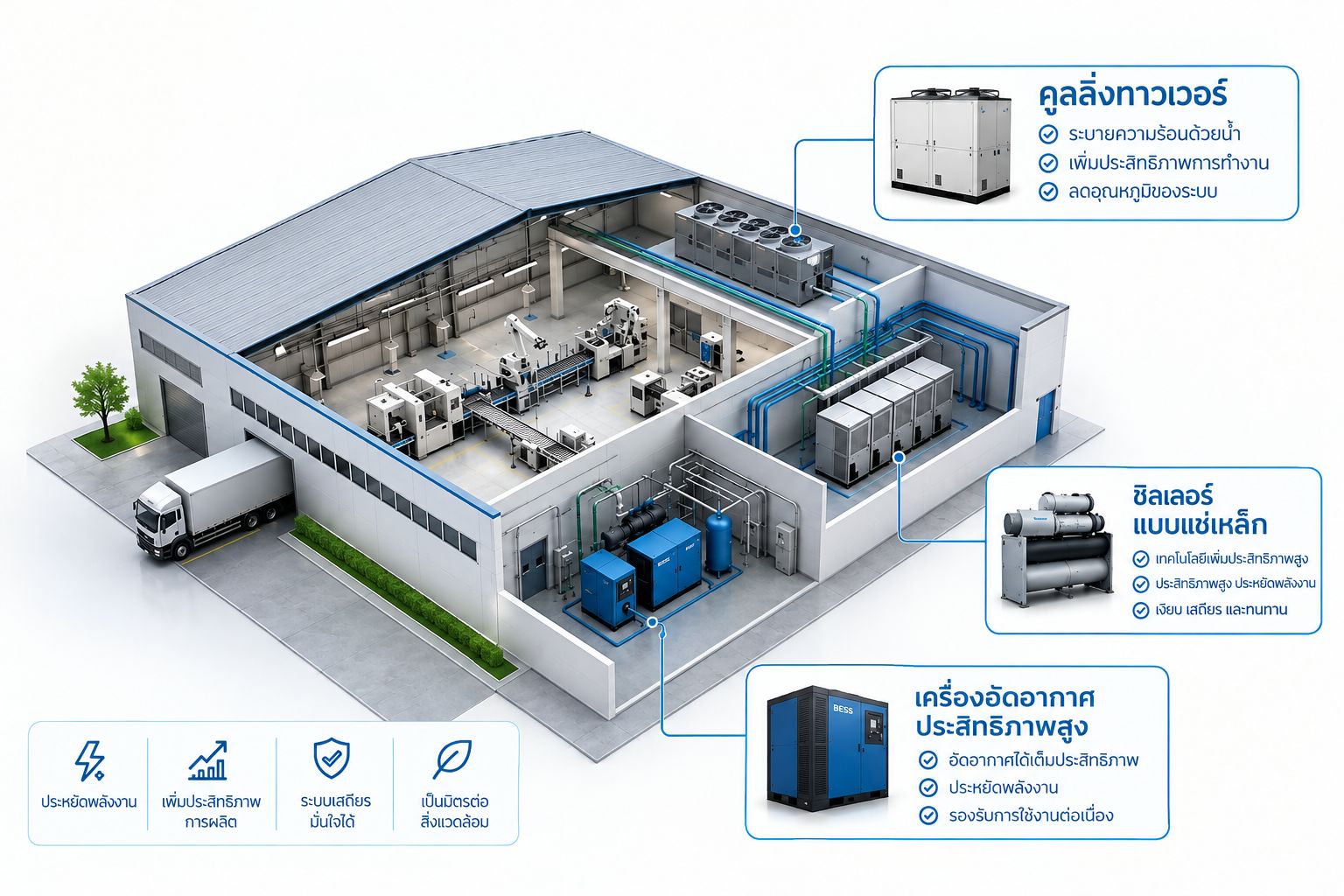
Solar + Battery Storage for Thai Factories: How Manufacturers Are Cutting Electricity Costs Beyond Rooftop Solar
Over the past decade, many factories have adopted rooftop solar to lower electricity costs and support sustainability goals. However, rising electricity tariffs, demand charges, and stricter ESG requirements mean that solar power alone is no longer enough.
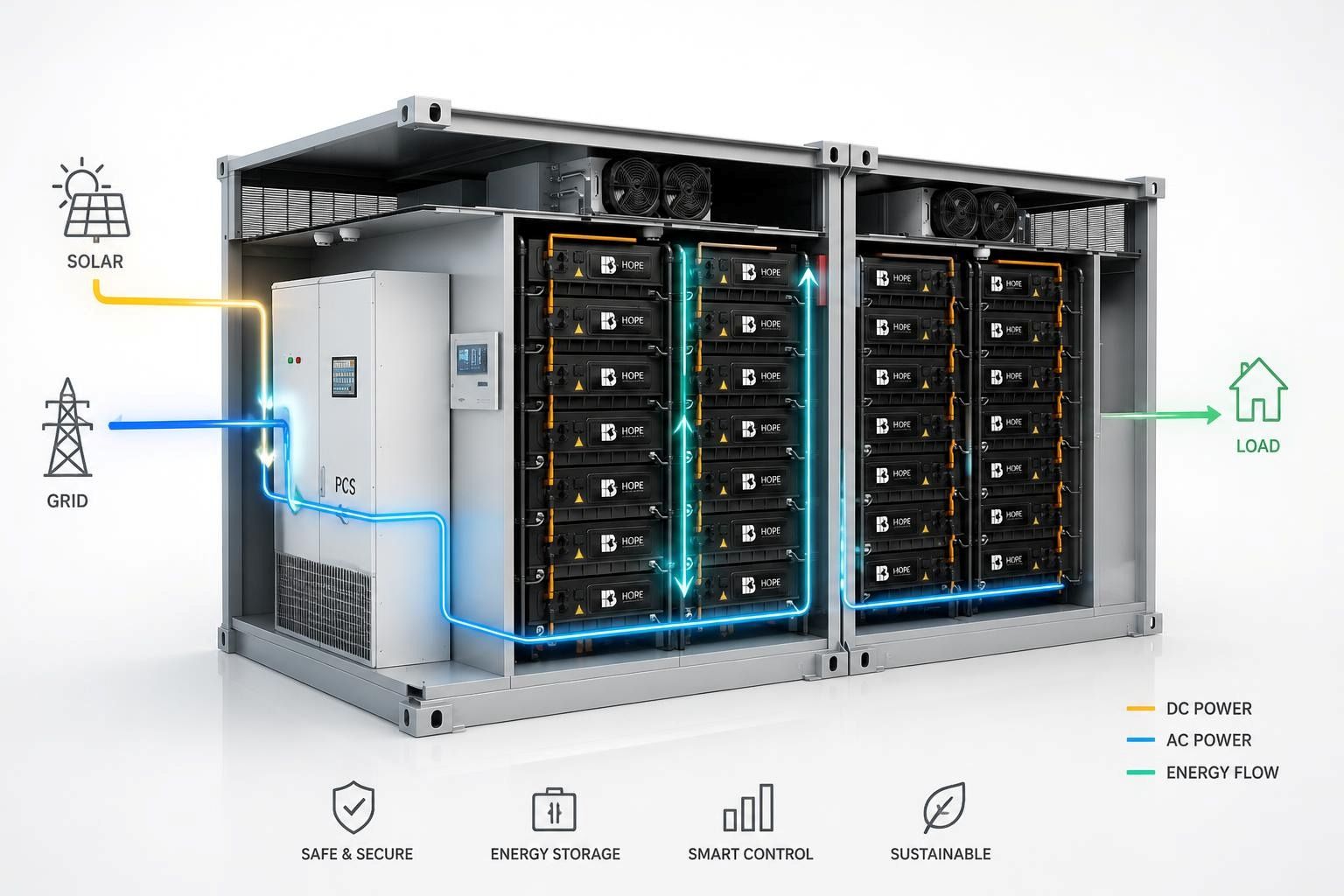
Battery Energy Storage Systems (BESS) enable factories to store energy and use it when electricity costs are highest, maximizing solar self-consumption, reducing peak demand charges, improving energy resilience, and supporting carbon reduction goals. For manufacturers in Thailand, integrating solar and battery storage offers a more effective path to long-term energy savings and stronger returns
Why Thai Factories Are Overpaying for Electricity
Many factory owners focus on total electricity consumption, but energy costs are influenced by much more than the number of kilowatt-hours used. Industrial electricity bills typically include:
• Energy consumption charges
• Demand charges
• Time-of-use tariffs
• Power factor penalties
• Grid-related fees
In many facilities, demand charges have become one of the most significant contributors to monthly utility expenses. A factory may operate efficiently for most of the month but still receive a high electricity bill because of a short period of unusually high power demand.
At the same time, factories with rooftop solar often generate excess electricity during midday when production demand is lower than solar output. Without storage, much of that potential value is lost.
This creates a situation where manufacturers are simultaneously generating surplus energy and paying premium rates for grid electricity at other times of the day. Battery storage addresses this inefficiency directly.
How Solar Power Generation Works for Industrial Facilities
Industrial solar systems are designed to offset electricity consumption by generating power directly at the factory site. For manufacturers, the appeal is straightforward: every unit of solar electricity consumed on-site is electricity that does not need to be purchased from the grid.
Factories with large roof areas often have significant solar generation potential, particularly in Thailand's favorable climate conditions. However, solar generation follows a predictable pattern:
• Peak production occurs around midday
• Output decreases during cloudy conditions
• Generation stops after sunset
The challenge is that factory energy demand rarely follows the same pattern. Production schedules, shift operations, cooling systems, and utility loads continue beyond solar production hours. This mismatch between energy generation and energy consumption is why many industrial facilities are now evaluating battery storage alongside solar investments.
What Is an Industrial Battery Energy Storage System?
Modern industrial Battery Energy Storage Systems (BESS) typically consist of four core components working together to store energy, manage battery performance, control power flow, and optimize overall energy usage across the facility
How Solar and Battery Storage Work Together for Maximum Savings
Five years ago, installing rooftop solar was often enough to achieve attractive savings. Today, many factories have already captured those initial benefits. The next opportunity lies in improving solar utilization.
Without storage, excess solar power generated during low-demand periods may not deliver its full financial value. With battery storage, factories can:
• Capture surplus solar energy
• Store electricity during off-peak periods
• Reduce grid dependency
• Increase renewable energy utilization
The result is a more flexible energy system capable of responding to operational needs rather than simply generating electricity when the sun is shining. For many manufacturers, the combination of solar and storage can unlock savings that would be impossible through solar alone.
Peak Shifting: Reducing Costs During High-Rate Hours
One of the most compelling financial benefits of battery storage is peak shifting — storing energy when costs are low and using that energy during expensive periods. This strategy is particularly valuable for factories with large production loads, high cooling requirements, multiple shifts, and significant demand charges.
Rather than drawing large amounts of electricity from the grid during expensive periods, the battery discharges stored energy to support facility operations. This can significantly reduce:
• Peak demand charges
• Time-of-use costs
• Grid electricity purchases
For many industrial facilities in Thailand, peak shifting alone can justify a substantial portion of the battery investment.
Storing Surplus Solar Power Instead of Wasting It
Many factories generate more solar power at midday than they can immediately use. Without storage, that surplus is lost to grid export, curtailment, or inefficiency. Battery storage adds a fourth option — store it now, deploy it when demand or prices are higher.
This raises self-consumption rates and strengthens the return on existing solar investment. Sigenergy's DC-coupled SigenStack reinforces this further, with a DC/AC ratio up to 2.0 that achieves up to 77.8% PV utilization versus approximately 50.5% in traditional AC-coupled systems.
Power Outage Protection: Battery Storage as Emergency Backup
Power interruptions cost manufacturers in downtime, material losses, and missed deliveries. Unlike generators, battery systems respond instantly. Sigenergy's SigenStack switches seamlessly between on- and off-grid with zero load-side disruption, keeping process controls, quality systems, and critical equipment running without interruption.
As factories become more automated, power reliability is no longer just an operational issue — it's a strategic one.
Real-Time Monitoring and Remote Energy Management
Modern energy systems are no longer passive infrastructure. They are intelligent platforms capable of continuously optimizing performance. Advanced Energy Management Systems (EMS) provide real-time visibility into:
Solar Generation
Monitor production levels and identify performance issues.
Battery Status
Track charging cycles, capacity, and system health.
Facility Consumption
Understand where and when electricity is being used.
Demand Management
Prevent unnecessary peak demand charges.
Performance Reporting
Measure savings and validate ROI.
Technology Partners: HOBE Energy + Ampt DC Coupling and Sigenergy Total BESS Solution
Choosing the Right Battery Energy Storage System (BESS)
Selecting the right Battery Energy Storage System (BESS) is critical for long-term project performance. Elmo Tech provides two complementary BESS solutions through HOBE ENERGY and Sigenergy, each designed for different industrial requirements. We also work with Ampt to optimize DC-coupled solar integration where appropriate.
HOBE ENERGY – Customized BESS Solutions
HOBE ENERGY provides custom-engineered Battery Energy Storage Systems (BESS) designed around each customer's operational requirements rather than fixed product configurations. These solutions are suitable for projects requiring tailored capacity, integration, and system design.
Key benefits include:
- Customized battery capacity and system configuration
- Flexible engineering for project-specific requirements
- Advanced battery safety systems with integrated EMS
- Scalable solutions for commercial and industrial applications
Sigenergy – Modular SigenStack BESS
Sigenergy offers the SigenStack Battery Energy Storage System (BESS), a standardized modular platform designed for rapid deployment and simple expansion.
Compared with conventional cabinet-based BESS, SigenStack offers:
Why Ampt DC Coupling?
Ampt DC-coupled technology improves solar energy utilization by reducing conversion losses, delivering:
- Higher system efficiency
- Better battery charging performance
- Increased solar self-consumption
- Improved project economics
Elmo Tech does not recommend a single BESS solution for every project. HOBE's customized BESS and Sigenergy's modular SigenStack platform are selected according to each customer's capacity requirements, existing infrastructure, operating conditions, and investment objectives.
Scalable Capacity: Solutions From 100 kWh to Multi-MWh
No two factories have identical energy requirements. A food processing facility, electronics manufacturer, and automotive supplier may all have very different consumption profiles. That's why scalability is critical.
Elmo Tech provides battery storage solutions across a wide range of capacities:
100–250 kWh
Ideal for smaller industrial facilities and targeted peak-shaving applications.
500 kWh–1 MWh
Suitable for medium-sized factories seeking significant demand reduction and solar optimization.
2–4 MWh+
Designed for large manufacturing operations with substantial energy loads and advanced energy management requirements.
Long-Term Warranty and 24/7 Maintenance Support
A battery storage system is a long-term infrastructure investment. Performance over the next decade matters far more than installation day. When evaluating suppliers, manufacturers should consider:
Warranty Coverage
Key questions include: How many years are covered? What performance guarantees are provided? How is battery degradation managed?
Monitoring Services
Continuous monitoring helps identify issues before they affect operations.
Preventive Maintenance
Regular inspections improve reliability and extend system lifespan.
Emergency Response
24/7 technical support minimizes risk and ensures rapid issue resolution.
A strong support framework protects both operational continuity and investment value.
Calculating Your Solar + Storage System Payback Period
The Next Step in Industrial Energy Cost Reduction
Battery energy storage is transforming industrial energy management in Thailand. By combining solar power, intelligent energy management, and properly sized battery systems, manufacturers can reduce demand charges, improve energy resilience, and maximize renewable energy utilization.
With the right engineering approach and technologies such as HOBE ENERGY's sodium-ion storage and Sigenergy's modular PV+BESS solutions, supported by Elmo Tech, solar-plus-storage can become one of the most valuable long-term investments for factories seeking lower electricity costs and greater energy independence
Blog
Our Latest Contents
Check out the latest news from the engineering industry, innovative implementations, and technical developments.
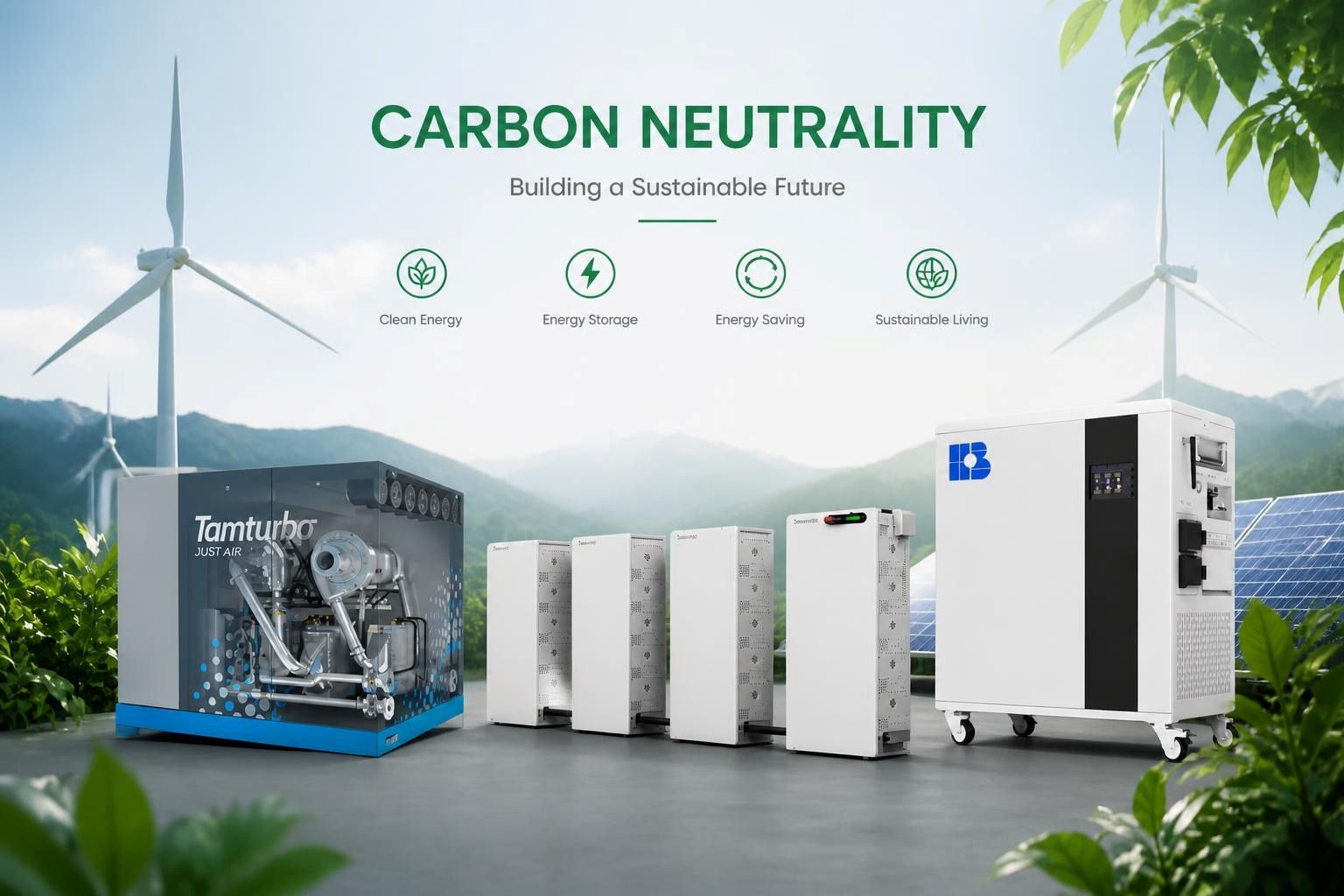
A practical roadmap showing which equipment actually cuts CO2 for Thai factories pursuing carbon neutrality, in the right sequence.
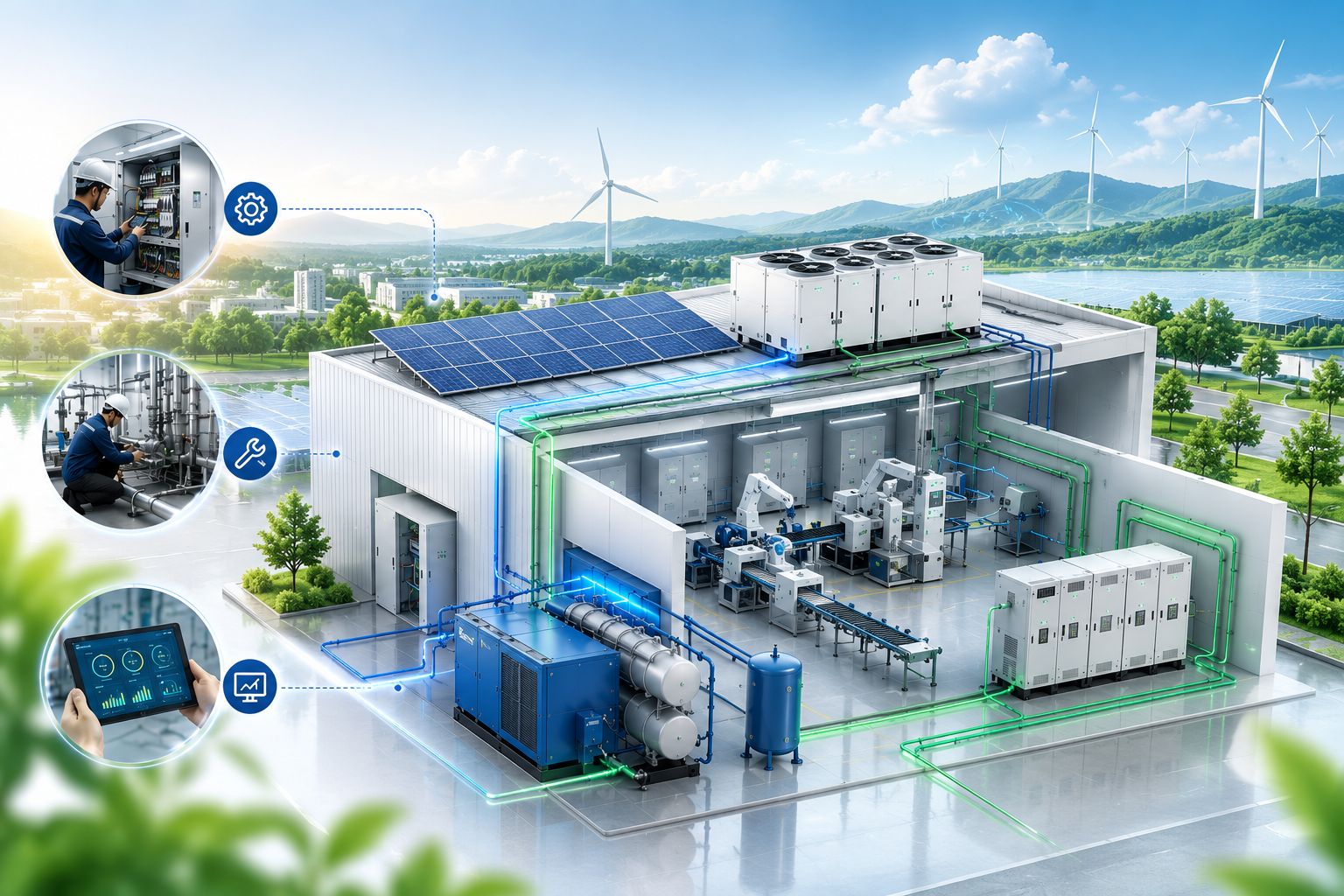
Learn how solar-plus-battery storage protects Thai factories from power outages and keeps production running without interruption.
A practical framework to help factory managers decide whether to upgrade existing equipment or replace it, plus a real 19% cost-reduction example.