ISO9001-Certified Engineering & Construction Solutions for Thailand's Manufacturing Industry
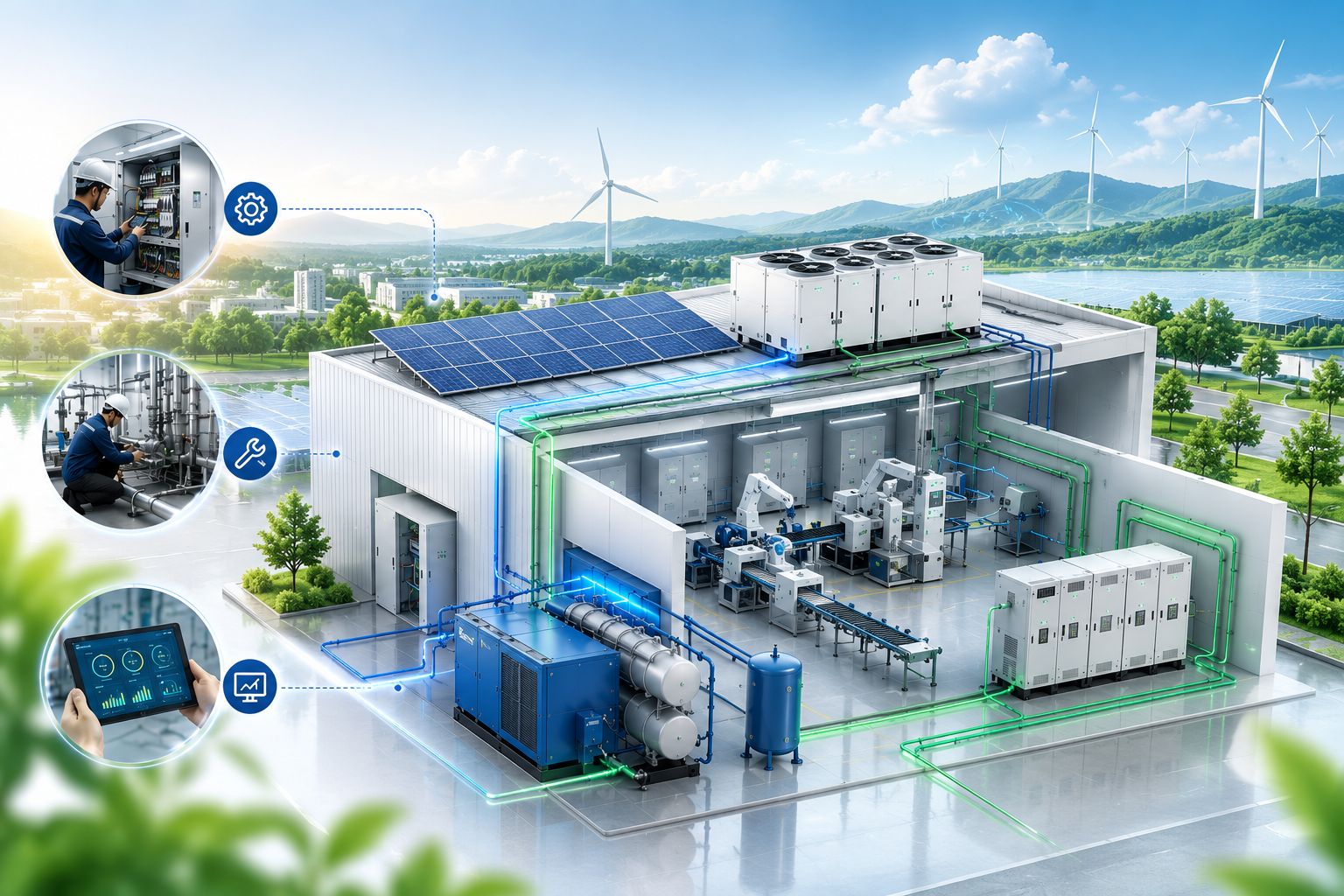
This is where professional engineering and EPC solutions providers play a critical role for Thailand's factories. At Elmo Tech, this means engineering-led project management — design, procurement, and construction oversight — combined with a directly-supplied technology portfolio sourced through our partnership with Kankyo Solutions Co., Ltd. Construction execution is one phase within that process, not our core specialty; our value lies in the engineering decisions that determine what gets built and why.
The Unique Engineering Challenges Facing Thai Manufacturers
Manufacturing facilities in Thailand face several complex operational challenges that directly impact profitability.
Rising Energy Costs
Electricity remains one of the largest operating expenses for industrial facilities. Cooling systems, compressed air equipment, process machinery, and utility systems consume significant amounts of energy daily.
Aging Infrastructure
Many factories continue operating equipment that has exceeded its optimal service life. While functional, older systems often consume excessive energy and require frequent maintenance.
Environmental Compliance
As sustainability requirements become more stringent, manufacturers must reduce carbon emissions while maintaining production capacity.
Limited Downtime Windows
Production schedules often leave little room for major upgrades or facility improvements. Engineering projects must be carefully planned to minimize disruption.
Demand for Higher Productivity
Customers expect faster delivery, better quality, and competitive pricing, placing additional pressure on manufacturers to optimize operations.
These challenges highlight why comprehensive engineering construction solutions Thailand factory projects have become essential rather than optional.
What Are Engineering & Construction (E&C) Solutions?
Engineering & Construction (E&C) solutions refer to the integrated process of designing, building, upgrading, and optimizing industrial facilities and utility systems.
Unlike traditional contractors who focus solely on installation, E&C providers manage the entire project lifecycle.
Typical E&C services include:
Engineering Design
- Facility planning
- Utility system design
- Energy optimization studies
- Equipment selection
- Process improvement recommendations
Procurement
- Equipment sourcing
- Vendor coordination
- Technical evaluation
- Quality assurance
Construction & Installation
- Mechanical installation
- Electrical systems
- Piping works
- Structural modifications
- Commissioning
Operational Optimization
- Performance testing
- Energy monitoring
- Maintenance planning
- Continuous improvement
The goal is not simply to install equipment but to create a complete solution that improves operational performance and delivers measurable financial returns.
How ISO9001 Certification Guarantees Construction Quality
Quality management is one of the most important factors in industrial engineering projects.
Poor workmanship, inconsistent procedures, and inadequate documentation can lead to costly delays and operational issues.
ISO9001 certification provides a structured framework for maintaining quality throughout every project phase.
Standardized Processes
ISO9001-certified organizations follow documented procedures for:
- Project planning
- Design review
- Procurement
- Construction management
- Quality inspections
Risk Reduction
Potential issues are identified and addressed before they become costly problems.
Consistent Project Delivery
Standardized workflows help ensure projects are completed according to specifications and customer requirements.
Continuous Improvement
Regular audits and performance reviews help improve future project outcomes.
For manufacturers investing significant capital, partnering with an ISO9001-certified engineering provider offers greater confidence that projects will meet quality, safety, and performance expectations.
Energy-Saving Factory Equipment: Which Technologies Deliver Results?
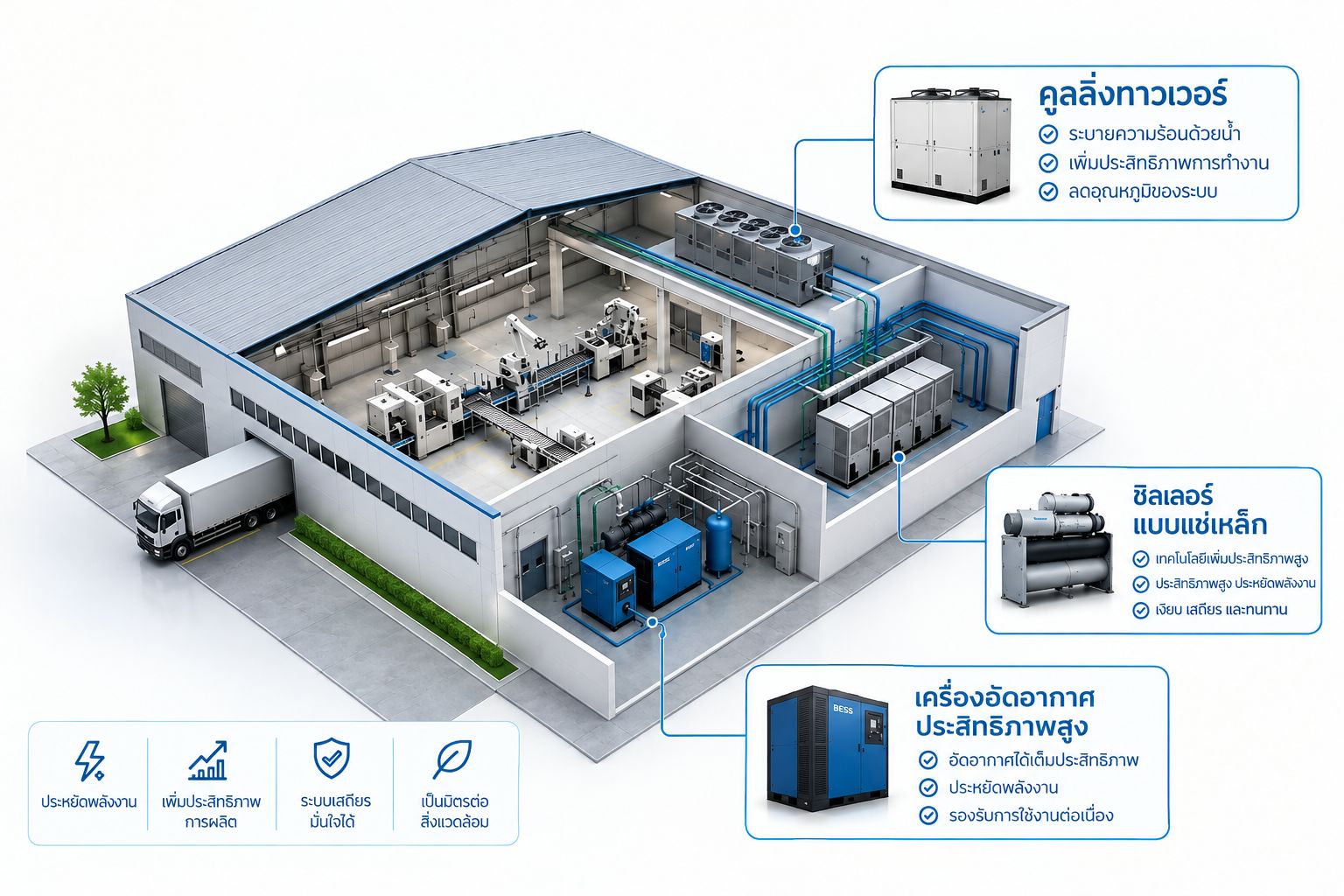
Modern industrial technologies can significantly reduce energy consumption while improving operational reliability — and at Elmo Tech, these are not generic recommendations but products we directly supply, install, and maintain through our partnership with Kankyo Solutions and global manufacturers such as Daikin, Danfoss Turbocor, TMEIC, HOBE, and Sigenergy
Oil-Free Magnetic Bearing Chillers
Traditional chillers lose efficiency due to friction and oil contamination. Our oil-free magnetic bearing chillers (Daikin/Danfoss Turbocor technology) deliver 30–50% energy savings with lower maintenance and longer service life.
Oil-Free Magnetic Bearing Air Compressors
Compressed air is among the largest electricity consumers in a typical facility. Our Tamturbo air-bearing compressors are fully oil-free and touch-free, cutting energy use by 10–15% while reducing wear-related downtime.
Battery Energy Storage Systems (BESS)
Through our partnership with Sigenergy, we supply the SigenStack Battery Energy Storage System (BESS) — a fully modular, stackable battery system (253 kWh per unit, expandable to multi-MWh) with DC-coupled PV integration, achieving approximately 91% round-trip efficiency compared with approximately 89% for conventional AC-coupled battery energy storage systems. Installation time per unit is approximately 1 hour, compared with 8 hours for traditional cabinet-based BESS, while commissioning for a complete site is reduced from approximately 2 days to 15 minutes through auto-networking.
Energy Management Systems (EMS) & Co-Generation
Our portfolio also includes TMEIC power conversion systems, automatic tube cleaning systems (Eqobrush), waste water treatment (Neuros), and co-generation units (Capstone, Kawasaki) — each selected case-by-case based on site audit findings, not sold as a one-size-fits-all package.
Utility Optimization: Reducing Power and Water Use Plant-Wide
Many factories focus only on production equipment when seeking efficiency improvements. However, utility systems often present the greatest opportunity for cost reduction — and this is a matter of how a plant is managed, not just what equipment it owns.
Power Optimization as a Practice
Rather than installing isolated upgrades, our approach is to map a facility's full power profile first: where load is concentrated, when peak demand occurs, and which circuits carry the most risk of waste. The specific hardware used to act on these findings — chillers, compressors, storage — is covered in the Equipment section above; this stage is about deciding where that hardware should go and why.
Water Optimization
Water consumption is reduced through cooling system audits, recycling loop design, leak detection programs, and treatment process review — typically uncovered during the same site assessment as power optimization, since the two are rarely independent.
Integrated Utility Management
The result of this process is a monitoring framework that lets facility managers track usage plant-wide and catch inefficiencies before they become major expenses, rather than discovering them on the next utility bill.
Plant-wide utility optimization often delivers some of the fastest returns on investment among industrial improvement projects — not because the equipment is new, but because the plant finally knows where its losses are
Plant EPC Services: What to Expect From Design to Handover
Engineering, Procurement, and Construction (EPC) services provide a single point of responsibility throughout the project lifecycle.
Phase 1: Assessment & Feasibility
Engineers evaluate:
- Existing infrastructure
- Utility systems
- Energy consumption
- Production requirements
Phase 2: Engineering Design
Detailed plans are developed for:
- Equipment integration
- Facility modifications
- Utility upgrades
- Construction sequencing
Phase 3: Procurement
Equipment and materials are sourced based on technical requirements and project objectives.
Phase 4: Construction & Installation
Project teams coordinate:
- Mechanical works
- Electrical installation
- Civil construction
- System integration
Phase 5: Testing & Commissioning
All systems undergo comprehensive testing before operation.
Phase 6: Handover & Training
The client receives:
- Operational documentation
- Maintenance guidelines
- Staff training
- Performance verification
A professional EPC approach minimizes risk while improving project efficiency and accountability.
Aging Equipment & Productivity Decline: A Costly Combination
Many manufacturers delay equipment replacement because existing systems continue to operate.
However, aging equipment often creates hidden costs that exceed the price of upgrading.
Increased Energy Consumption
Older equipment typically requires more electricity to deliver the same output.
Frequent Breakdowns
Unexpected failures can result in:
- Production interruptions
- Overtime labor costs
- Emergency repairs
- Missed delivery schedules
Reduced Production Efficiency
Equipment performance gradually declines, affecting throughput and product quality.
Rising Maintenance Costs
As systems age, spare parts become more expensive and more difficult to source.
A proactive modernization strategy often delivers greater financial benefits than reactive maintenance.
Achieving Carbon Neutrality Through Equipment Upgrades
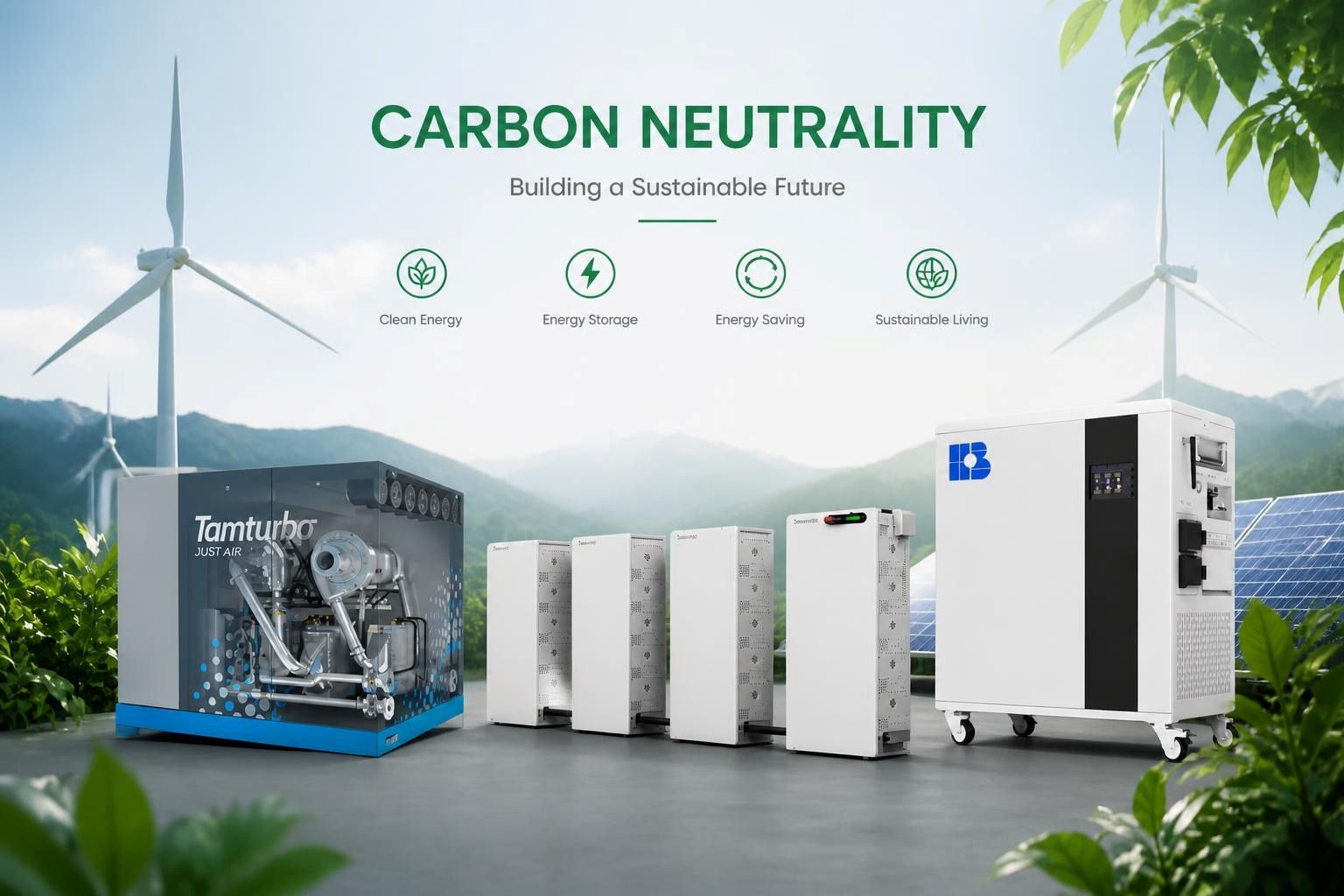
Sustainability has become a strategic priority for many manufacturers. Customers, investors, and regulators increasingly expect companies to reduce environmental impact — and for most Thai factories, the fastest path to measurable progress is not a new sustainability program, but the equipment and utility decisions already outlined above.
Lower Energy Consumption, Lower Emissions
Every efficiency gain described in the Equipment and Utility Optimization sections has a direct emissions equivalent: less electricity drawn from the grid means a proportional drop in associated greenhouse gas output. This is why our project tracking reports savings in kWh and tCO2e side by side rather than treating them as separate metrics.
Improved ESG Performance
What changes at the carbon-neutrality stage isn't the technology — it's the reporting. We help clients translate operational savings into the documentation investors, regulators, and customers actually ask for: verified consumption data, year-over-year emissions trends, and progress against stated targets.
For manufacturers pursuing carbon neutrality, the fastest and most cost-effective path is rarely a separate green initiative — it's making sure the engineering upgrades they've already invested in are properly measured and reported as emissions reductions.
Elmo Tech's In-House Engineering Team: Flexible and Fast
One of the key advantages of working with Elmo Tech is access to a dedicated in-house engineering team.
Unlike organizations that rely heavily on subcontractors, Elmo Tech maintains direct control over project execution.
Faster Response Times
Engineering decisions can be made quickly without lengthy communication chains.
Greater Flexibility
Solutions can be customized to accommodate unique facility requirements.
Better Coordination
Design, procurement, construction, and commissioning teams work together under a unified project structure.
Strong Technical Expertise
The engineering team possesses extensive experience in:
- Energy-saving technologies
- Utility optimization
- Industrial equipment integration
- EPC project management
This integrated approach helps accelerate project delivery while maintaining quality standards.
Full Maintenance System: Preventing Downtime Before It Happens
Maintenance should not begin after equipment fails. Elmo Tech's maintenance team — through our Kankyo Solutions partnership — handles this directly rather than outsourcing it.
IoT-Based Remote Monitoring
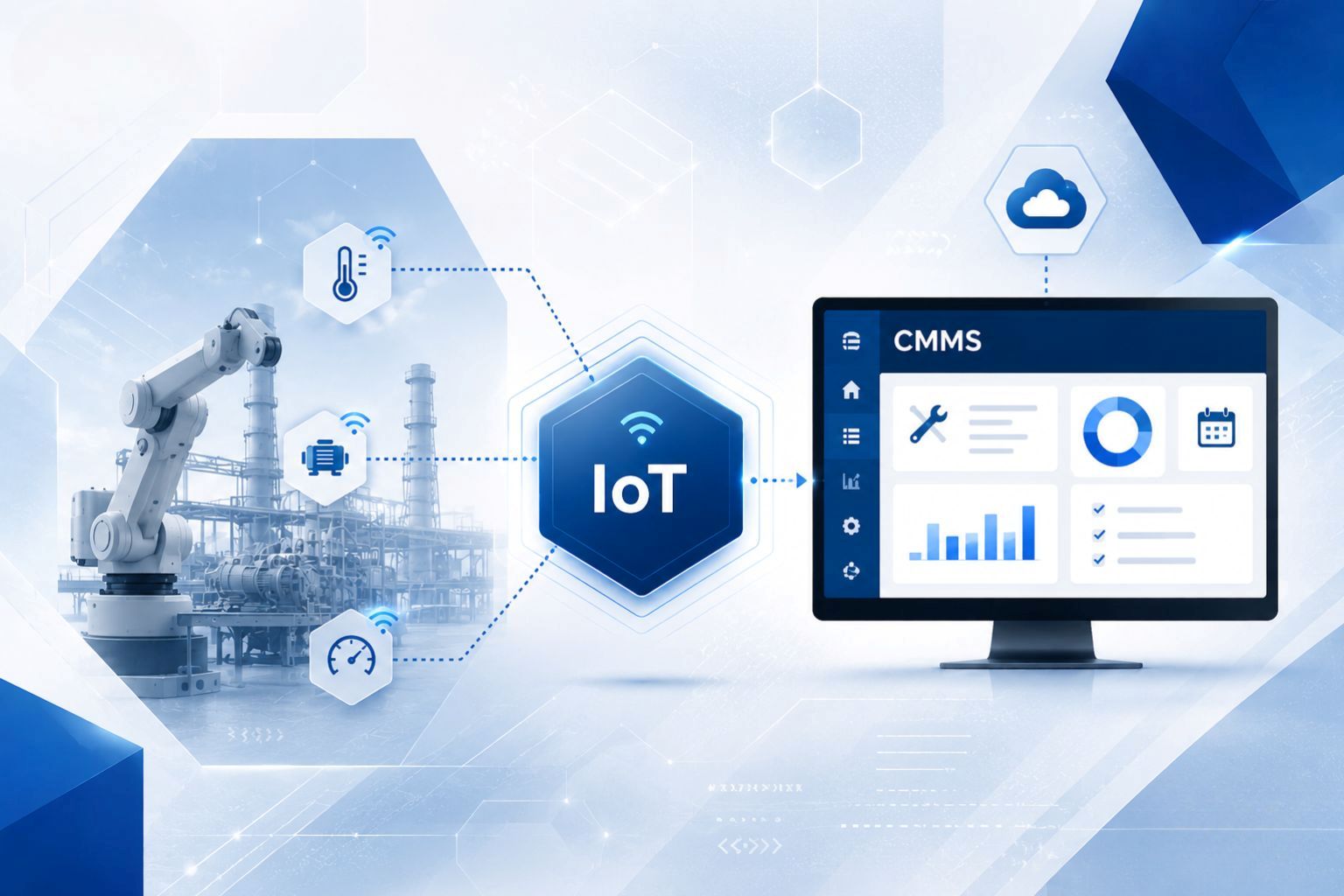
Equipment is monitored remotely via IoT integration, with maintenance planning and emergency response triggered automatically when abnormal conditions are detected — covering utility facility "outsourcing" so clients don't need an in-house team for it.
Performance Reporting
Clients receive regular reporting on personnel-cost savings and facility electricity usage, sent via email — giving a documented basis for ROI conversations, not just a maintenance log.
Lifecycle Management
Because this same team also handles the projects' original installation, maintenance schedules are built around the equipment's actual installation history rather than generic manufacturer intervals.
This is the same maintenance team that services Elmo Tech's own EPC projects — maintenance isn't a separate business line, it's a continuation of the build
High Cost Performance: Getting Maximum Value From Your Budget
The lowest initial price does not always produce the lowest total cost of ownership.
Successful engineering projects focus on value rather than upfront cost alone.
Lifecycle Cost Analysis
Evaluation includes:
- Equipment purchase cost
- Energy consumption
- Maintenance expenses
- Operating efficiency
- Expected lifespan
ROI-Based Decision Making
Projects are prioritized based on:
- Payback period
- Annual savings
- Operational benefits
- Long-term financial return
Technology Optimization
The most effective solution often combines multiple technologies rather than relying on a single upgrade.
By focusing on total value creation, manufacturers can achieve stronger financial results from capital investments.
How to Start Your Engineering & Construction Project With Elmo Tech
Every successful project begins with a clear understanding of operational challenges and business objectives.
Step 1: Initial Consultation
Elmo Tech works with your team to identify:
- Energy-saving opportunities
- Equipment concerns
- Production requirements
- Budget objectives
Step 2: Site Assessment
Engineers evaluate facility conditions and collect operational data.
Step 3: Customized Proposal
A tailored solution is developed based on:
- Technical requirements
- Financial objectives
- Operational priorities
Step 4: Project Execution
The project progresses through engineering, procurement, construction, commissioning, and handover.
Step 5: Ongoing Support
Maintenance services and technical support help ensure long-term performance and reliability.
Conclusion
Thailand's manufacturing industry faces increasing pressure to improve efficiency, reduce operating costs, and achieve sustainability targets. Traditional approaches focused solely on equipment replacement are no longer sufficient.
Modern engineering construction solutions Thailand factory projects combine engineering expertise, energy-efficient technologies, EPC execution, utility optimization, and ISO9001-certified quality management to create measurable business value.
By partnering with an experienced provider like Elmo Tech, manufacturers can reduce energy consumption, improve productivity, extend equipment life, and strengthen long-term competitiveness.
Whether your goal is lowering utility costs, upgrading aging infrastructure, or achieving carbon neutrality, a comprehensive engineering and construction strategy can transform your factory into a more efficient, reliable, and future-ready operation.
Blog
Our Latest Contents
Check out the latest news from the engineering industry, innovative implementations, and technical developments.
A practical roadmap showing which equipment actually cuts CO2 for Thai factories pursuing carbon neutrality, in the right sequence.
Learn how solar-plus-battery storage protects Thai factories from power outages and keeps production running without interruption.
A practical framework to help factory managers decide whether to upgrade existing equipment or replace it, plus a real 19% cost-reduction example.